 951-248-9134
  Service@jimandsonsplumbing.com
  Schedule Appointment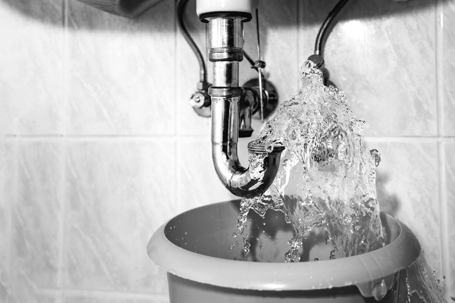
1. Cooler Temperatures Stress Older Pipes
Even though Southern California doesn’t experience the deep freezes other states do, the colder months still cause pipes to contract. Older or corroded pipes become more vulnerable during these temperature swings, especially in homes built before the early 1990s or in properties with exposed outdoor plumbing.
When pipes cool, tiny cracks can expand, leading to leaks that often remain hidden until water damage begins to show. According to the EPA WaterSense program, even a small household leak can waste nearly 10,000 gallons of water per year — turning a minor issue into a major winter repair.
If you’ve noticed subtle warning signs like reduced water pressure, damp spots, or unusual sounds in your walls, it’s time to schedule a professional inspection.
2. Holiday Guests = Higher Plumbing Demand
December brings family gatherings, cooking marathons, and extra laundry — all of which put intense stress on your plumbing system. Drain lines that already had slow buildup can clog completely under that extra load. Water heaters work overtime. Toilets handle more traffic than usual.
The result? Backups, cold showers, and unexpected repairs at the most inconvenient moment. If your home is expecting extra guests this season, a quick tune-up for your drains and water heater can go a long way in preventing sudden breakdowns.
For reliable winter prep, check out our Drain Cleaning and Water Heater Repair & Installation services.
3. Cold Weather Slows Drain Flow
Grease, oils, and food waste harden faster in cooler temperatures, especially inside kitchen drains. What may have passed during warmer months can quickly solidify once the weather turns chilly, causing stubborn clogs that don’t resolve on their own.
Kitchen sinks are one of the most common winter plumbing trouble spots, and holiday cooking only adds to that risk. Pouring grease down the drain — even accidentally — can create blockages that require professional equipment to clear.
Prevent this by disposing of cooking oils in a container instead of the sink and running hot water regularly to keep lines moving. If drains have been gurgling or slowing down lately, winter is the best time for preventive cleaning.
4. Water Heaters Work Harder in Winter
Incoming water is colder in winter, which means your water heater must work harder to reach the temperature your home relies on. Units that are aging, full of sediment, or overdue for maintenance are far more likely to fail during cooler months.
A simple annual checkup — flushing the tank, checking the thermostat, and inspecting the anode rod — can prevent sudden breakdowns and extend the life of the unit. The U.S. Department of Energy recommends annual water heater maintenance to maintain efficiency and reduce energy costs.
If your showers are getting shorter or water temperature fluctuates, your system is trying to tell you it needs attention.
5. The Best Ways to Avoid a Winter Plumbing Emergency
The good news is that most winter plumbing emergencies are preventable with simple, inexpensive maintenance. Here are a few high-impact ways to protect your home:
- Schedule a professional drain cleaning before holiday guests arrive.
- Insulate any exposed outdoor pipes, even in SoCal’s mild climate.
- Check for slow drains, gurgling sounds, or early leak signs.
- Flush your water heater and check for sediment buildup.
- Keep grease and oils out of kitchen drains during holiday cooking.
These steps help reduce stress on your plumbing system during the busiest season of the year — and they’re far cheaper than an emergency repair.
The Bottom Line
Winter is the worst time for a plumbing emergency because your system is under more pressure, temperatures are cooler, and the stakes are higher if something fails. A little preventive maintenance now can protect your home from costly repairs and unnecessary stress.
If you’d like help preparing your home for the winter season, Jim & Sons Plumbing offers fast, friendly inspections and winter-prep services that keep your plumbing running smoothly all month long.